
Article II, Section 7 of the Florida Constitution, states that “it shall be the policy of the state to conserve and protect its natural resources and scenic beauty. Adequate provisions shall be made by law for the abatement of air and water pollution and excessive and unnecessary noise.”
So there you have it, peace and quiet are a constitutional RIGHT in the state of Florida. That said, it is left to the county and municipal governments to enact and enforce noise ordinances throughout the state. We have gathered and posted such local noise ordinances here on this website, see below.
Although the Florida Constitution recognizes the importance of protecting citizens from unnecessary pollution, including excessive noise, most noise regulations are established by individual counties, municipalities, and local governments. These ordinances are designed to preserve peace and quiet while balancing the needs of homeowners, businesses, contractors, and public facilities.
Local noise codes may regulate:

Noise ordinances are designed to protect public health, reduce neighborhood conflicts, and improve overall quality of life. Excessive sound can interfere with sleep, concentration, workplace productivity, learning environments, and property enjoyment.
While enforcement plays an important role, preventing excessive noise through proper building design and professional soundproofing is often the most effective long-term strategy.
Many property owners assume there is one statewide Florida noise law. In reality, noise regulations are primarily enforced by local governments.
State agencies oversee broader environmental and occupational concerns, while municipalities establish most day-to-day community noise rules.
Many Florida counties publish detailed noise ordinances governing residential and commercial activities.
Cities frequently establish regulations covering:
Because every municipality is different, checking your local code is essential before planning noisy activities.
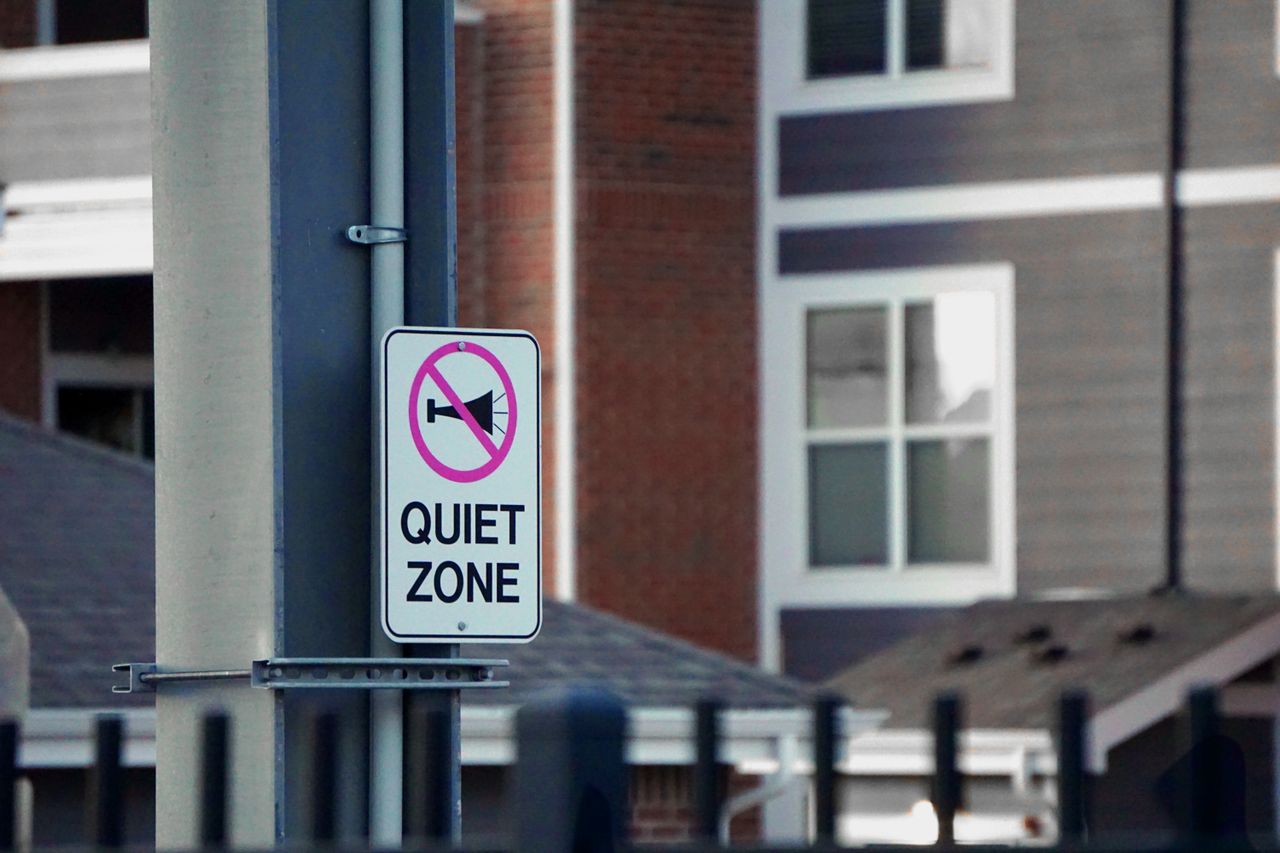
Filing a noise complaint may temporarily resolve a disturbance, but it rarely addresses the underlying cause of the problem. If sound continues to travel through walls, ceilings, floors, doors, or mechanical systems, the issue is likely to persist despite repeated enforcement efforts. Professional soundproofing offers a proactive, long-term solution by reducing airborne and impact noise at its source, improving speech privacy, enhancing sleep quality and overall comfort, increasing property value, and creating quieter living and working environments. It can also help reduce neighborhood disputes, improve workplace productivity, and support compliance with local noise ordinances. The U.S. Environmental Protection Agency (EPA) provides additional information about the effects of environmental noise and the importance of noise control in protecting public health: https://www.epa.gov/noise


